
We are a not-for-profit organisation. That doesn’t mean we don’t make a profit, we do; however, our profit doesn’t go to shareholders, all our profits from June 2026 will go into supporting Hope’s Haven a unique resource for supporting looked after children and those undergoing treatment for cancer to develop the skills of resilience.

Pay it Forward
A Dream Realised
When Petros was founded in 2012/13, we envisioned more than a training organisation, we dreamed of a welcoming physical space where challenging children could come with parents, carers or teachers and gain the skills they need to thrive. From the very beginning, horses and dogs were at the heart of that vision because of their remarkable ability to foster calm, focus, empathy and connection.
After 13 years of building the resources to provided such a unique and free resource, this vision is now becoming reality: Welcome to Hope’s Haven
Hope’s Haven is so named in memory of Jo’s foster daughter of 8 years. Hope was an extraordinary young woman who died in 2025, aged 22, after 2 and half years of cancer treatment. From a tragic childhood, to a hugely challenging adolescence, through to a heartbreaking early adulthood, Hope epitomised resilience. Whatever life threw at Hope, she adapted. She would work out what she needed to do to keep going and do that. She knew how to advocate for herself and regularly did so for others who were struggling. She would see a need and respond to it. She would use her voice to stand up for what was right, even when that put her in a vulnerable position. Her courage and stoicism knew no bounds.
So, what better way to pay tribute to her than to bring our original dream to life in her name, to set up a Haven for young people in the care system, and those undergoing treatment for cancer, to help them develop those skills of resilience that Hope displayed everyday, and to include her beloved animals on the journey.
Meet Our Four-Legged Facilitators
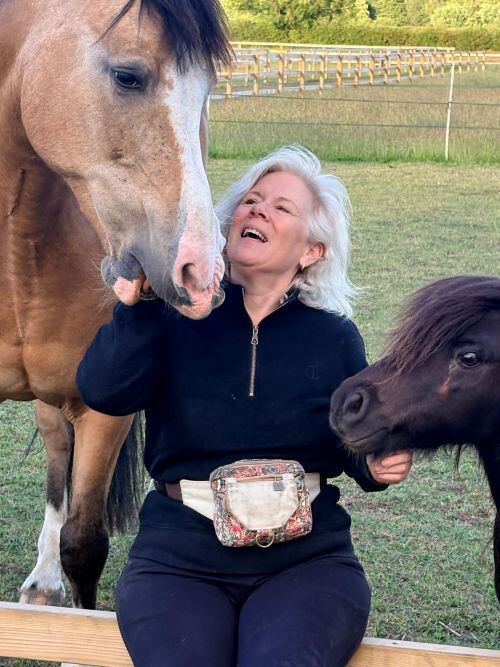
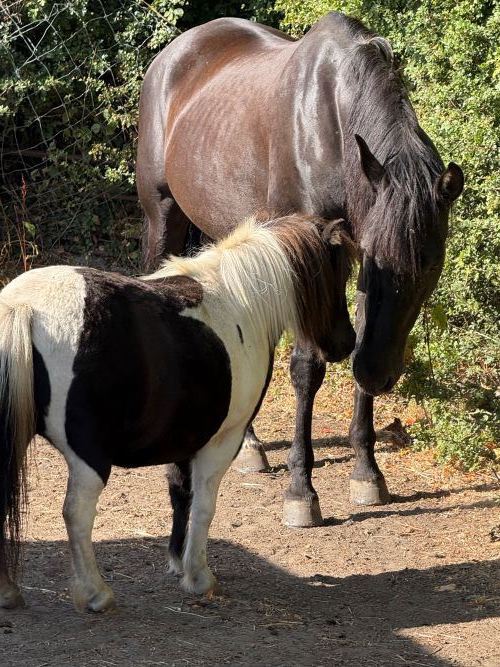
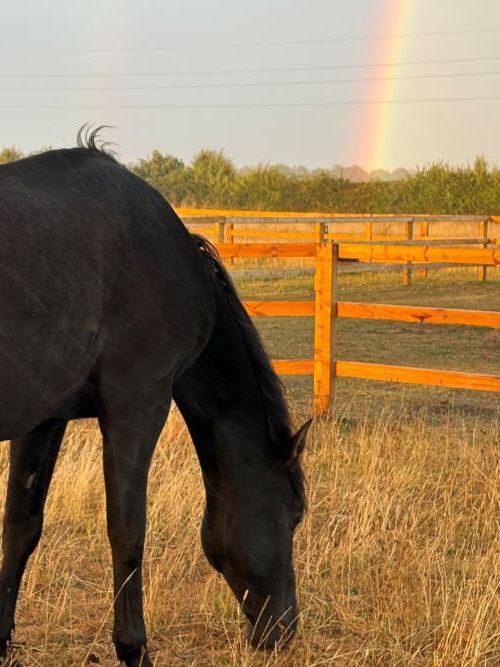
We’re delighted to offer this unique, child-centred service at our Heslington site, near York, where children can interact with:
- Our four miniature Shetlands, Pickle, Gordon, Rodeo, and Barry
- Cal our big Spanish boy who loves a cuddle and groom (a ladder is needed!)
These animals are not just companions — they are natural partners in creating calm, encouraging communication and promoting emotional growth.
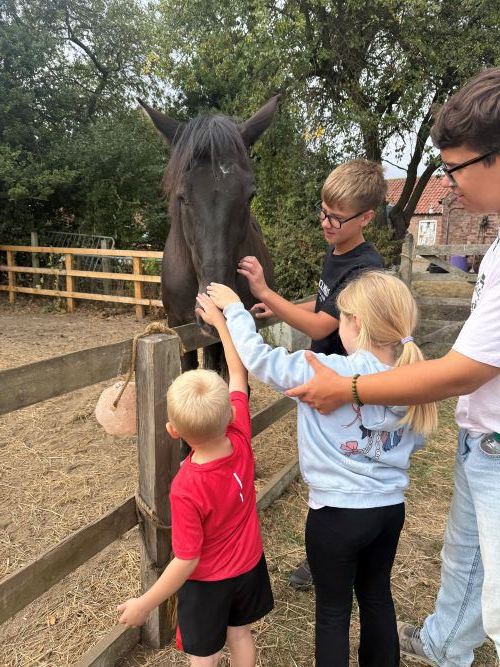
What Children Will Experience
In safe, supported sessions with their grown-ups, children will engage in:
- Grooming and handling,
- Leading and navigating obstacle courses,
- Collaborative challenges that reward communication and problem-solving.
Through these activities, children build crucial capacities often linked to later success, including:
- Emotional regulation
- Persistent problem-solving
- Planning and flexibility
- Attention and self-control
- Perspective-taking and empathy
Evidence-Backed Benefits of Animal Interaction
Research consistently shows that carefully structured interactions between children and animals can support developmental and emotional wellbeing:
• Calm, Connection & Emotional Skills
Animals provide a calm, non-judgmental presence that can improve children’s emotional regulation, focus and willingness to engage — qualities linked to learning and social functioning.
• Social and Behavioural Growth
Animal-assisted activities have been associated with improvements in socio-emotional skills such as social competence, behavioural engagement and reduced anxiety in school-aged children.

• Empathy, Confidence & Motivation
Interactions with animals help foster empathy, compassion and responsibility in children, and can increase their motivation to participate in therapeutic or learning activities.
• Support for Diverse Needs
Evidence suggests that animal-assisted programmes, including those involving horses, can help children with complex behavioural or developmental challenges by promoting emotional regulation, self-efficacy and adaptive coping skills.
(Note: while the evidence base continues to grow, best practice maintains structured facilitation and animal welfare as key components of effective animal-assisted work.)
Guided by Expertise
Your child’s time with the ponies will be facilitated primarily by Professor Jo Clarke — Petros Founder, Chartered Psychologist and one of the UK’s few Collaborative & Proactive Solutions™ accredited coaches. With a background in working with highly complex challenges (including in prisons) and lived experience as a foster parent, Jo brings both rigour and compassion to every session.
Supported by: -
The Farrier - Ian Wainwright Dipwcf Ltd
I.C.E. Horseboxes
I.C.E. Horseboxes
Equine Veterinary Dentists Ltd
Station House Vets
Equi Travel Safe Ltd
License number CYC – 084056
We’re dedicated to enhancing resilience for a stress-free, balanced and happy life, from childhood to adulthood, for individuals, families and organisations. Our goal is good mind health and emotional wellbeing for everyone.
Here are some examples of how our profits have been used in the past : -
- Developing and delivering a resilience programme for school years’ 7 – 10 and our focused Year 11 Resilience Training for GCSE students.
- Consilium: Founder Professor Jo Clarke sits on the Board of Consilium, an alternative provision for children who don’t thrive in mainstream education
- Provision of support and supervision for staff working in high-risk roles, such as Refugee Action York (RAY)
- Mentoring young women who are entering higher education through Migrant Leaders
- Providing reduced rate resilience training to primary and secondary staff
- Support for families with challenging children
- Personal psychological support for a range of individuals who can’t afford or who can’t wait to access public services.
- Manchester Citizens Advice
- Guide Dogs
- Global Disinformation Index
- Consilium
- Shpesa
- Norfolk County Council - Children’s Services
- Girl Guides Association